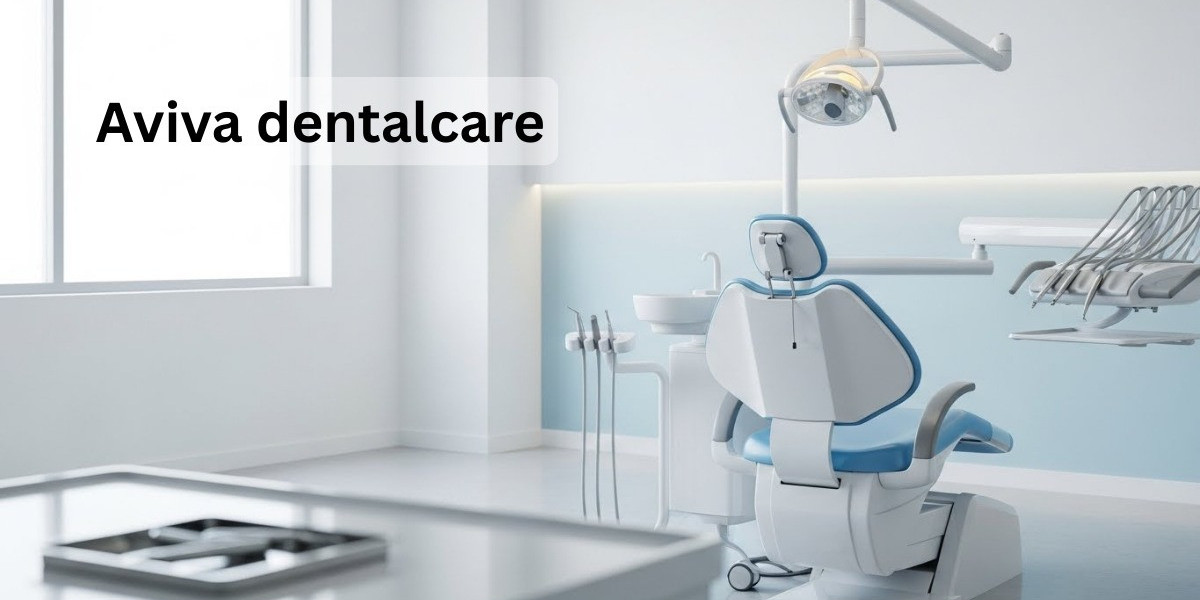
How to Manage Dental Anxiety and Fear of the Dentist
For many people, visiting the dentist can trigger feelings of fear and anxiety. Dental anxiety is common, and it can prevent patients from seeking the care they need, leading to more serious oral health issues over time. Understanding how to manage dental anxiety and learning strategies to stay calm can make dental visits more comfortable and productive. Dental clinic services in Texas are designed to support patients with anxiety through gentle care, modern techniques, and personalized attention.
Fear of the dentist often stems from past experiences, anticipation of pain, or simply feeling out of control during dental procedures. Recognizing these feelings and addressing them proactively helps patients maintain consistent dental care and prevent long-term oral health problems.
Recognizing Dental Anxiety
Dental anxiety can manifest in various ways, including:
- Feeling nervous or panicked before a dental appointment.
- Sweating, rapid heartbeat, or nausea at the thought of visiting the dentist.
- Avoiding dental visits altogether.
Identifying these signs is the first step toward managing anxiety and creating a more positive dental experience.
Techniques to Reduce Dental Anxiety
Several strategies can help patients feel calmer and more in control during dental visits:
- Communication: Speak openly with your dentist about your fears. A transparent discussion allows your dental team to tailor care to your comfort level.
- Deep Breathing and Relaxation: Practice slow, deep breaths to reduce stress. Relaxation exercises, meditation, or listening to calming music can help.
- Distraction Techniques: Listening to music, podcasts, or using noise-canceling headphones during procedures can divert attention and reduce stress.
- Gradual Exposure: Start with simple appointments like cleanings or consultations before moving on to more complex treatments. This builds trust and confidence.
Sedation and Comfort Options
Modern dental practices offer several options to make treatments more comfortable:
- Nitrous Oxide (Laughing Gas): Helps patients feel relaxed without losing consciousness.
- Oral Sedation: Medication taken before a procedure to reduce anxiety.
- IV Sedation: Administered in more complex cases to keep patients comfortable throughout the procedure.
These options ensure that even patients with severe anxiety can receive necessary dental care safely and comfortably.
Creating a Positive Dental Experience
Building a positive relationship with your dentist and dental team can significantly reduce anxiety:
- Choose a clinic with friendly, patient-focused staff.
- Schedule appointments at times when you feel least stressed.
- Ask questions about procedures, recovery, and pain management to feel informed and in control.
- Bring a friend or family member for support if allowed.
Aviva Dental Care: Gentle, Patient-Focused Dentistry
At Aviva Dental Care, patients in Texas receive dental care tailored to their comfort and needs. The experienced team understands dental anxiety and uses gentle techniques, sedation options, and a supportive environment to ensure a stress-free experience. From routine cleanings to more advanced procedures, Aviva Dental Care focuses on patient education, communication, and comfort, making dental visits manageable and even positive for anxious patients.
Tips for Managing Dental Anxiety Long-Term
- Schedule regular dental visits to build familiarity and reduce fear.
- Maintain a consistent oral hygiene routine to prevent emergencies.
- Practice relaxation techniques before and during appointments.
- Discuss anxiety openly with your dentist for personalized solutions.
- Use sedation or comfort options when necessary to ease procedures.
Managing dental anxiety allows patients to maintain strong oral health, prevent future complications, and enjoy a confident smile without fear.
Conclusion
Overcoming dental anxiety requires awareness, preparation, and professional support. By adopting relaxation techniques, communicating openly with your dentist, and utilizing comfort options when needed, patients can maintain regular dental care without fear. For those seeking specialized guidance and reassurance during appointments, an invisalign dentist in Texas can provide gentle, personalized care for patients while also addressing orthodontic needs.
FAQs
- What causes dental anxiety?
Dental anxiety can result from past negative experiences, fear of pain, or feeling out of control during treatments. - Are there options for patients who feel anxious about procedures?
Yes, sedation options like nitrous oxide, oral sedation, and IV sedation can help patients feel calm and comfortable. - How can I reduce anxiety before an appointment?
Practicing deep breathing, listening to music, and discussing concerns with your dentist can help alleviate stress. - Can children also experience dental anxiety?
Absolutely. Pediatric dentists often use gentle approaches, distractions, and reassurance to help children feel comfortable. - Is it safe to use sedation for routine dental procedures?
Yes, sedation is safe when administered by trained dental professionals and is tailored to each patient’s needs. - How can I choose a dentist who understands anxiety?
Look for clinics with patient-focused care, gentle techniques, and positive reviews from other anxious patients.